

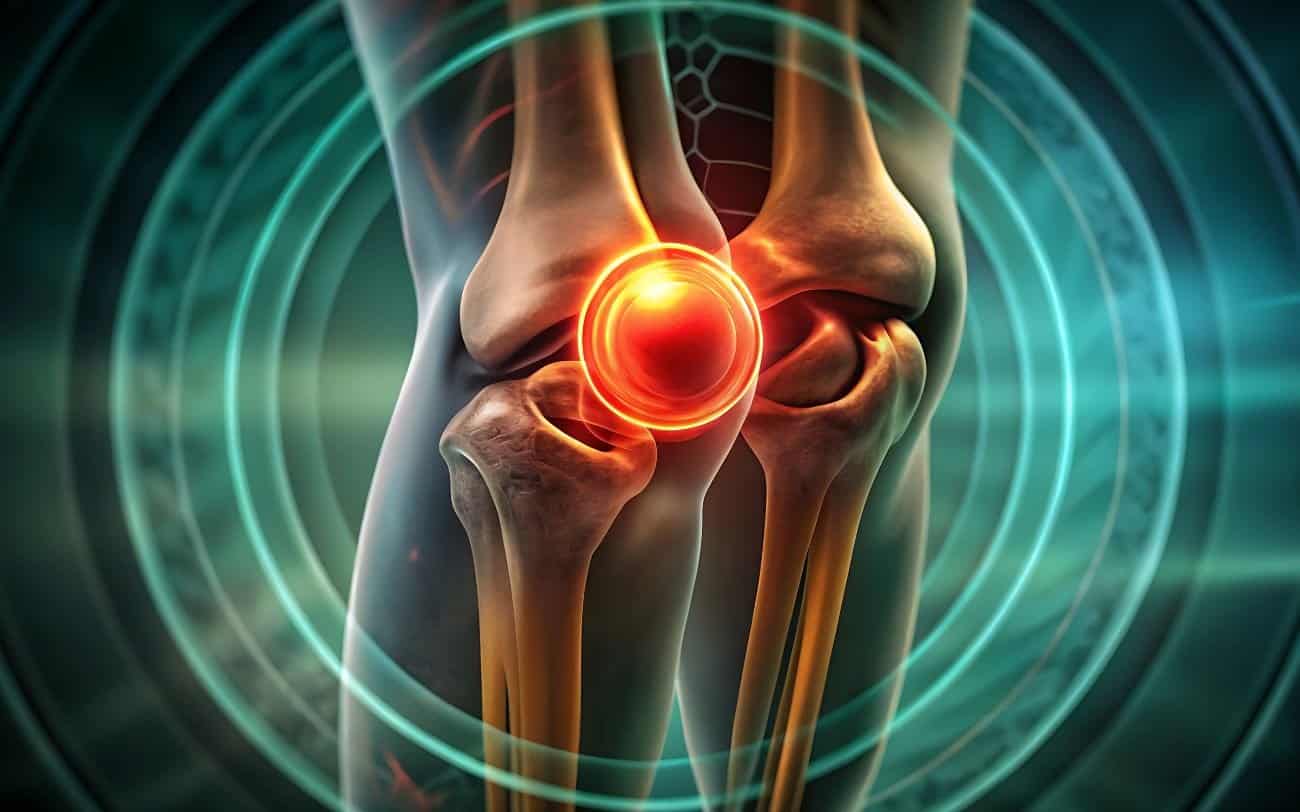
Understanding Joint, Bone & Muscle Health: How They Work Together
Most people think of joint pain, weak bones, or muscle stiffness as separate problems. In reality, these three systems work together like one connected ecosystem. When one starts to weaken, the others eventually feel the impact too.
Bones: The Body’s Support Structure
Bones form the solid foundation of the body. They protect organs, hold your body upright, and act as the anchor point for muscles. Healthy bones depend heavily on minerals like calcium, phosphorus, and vitamin D.
When bone density drops (like in osteoporosis), the entire structure becomes less stable, putting more strain on joints and muscles.
Muscles: The Movers & Stabilizers
Muscles generate movement, but their role goes far beyond that. Strong muscles help to:
- Support and cushion joints
- Reduce impact during daily activities
- Maintain balance and posture
- Protect bones from fractures
When muscles weaken, especially the deep stabilizing muscles around hips, knees and back, joint pressure increases, often leading to discomfort or stiffness.
Joints: The Smooth Connectors
Joints act as the “hinges” that allow the body to bend, rotate and absorb shock. Healthy joints rely on:
- Cartilage for smooth movement
- Synovial fluid for cushioning
- Collagen for structure and elasticity
With age, inflammation, or overuse, cartilage can wear down, causing pain, swelling, and reduced mobility.
How They Influence Each Other
Weak bones → more stress on joints
Less bone density alters alignment, increasing wear and tear on cartilage.
Weak muscles → unstable joints
If muscles cannot support movement, joints absorb more impact than they should.
Stiff or inflamed joints → reduced activity
This often leads to muscle loss, which then further weakens the joints and bones.
It becomes a cycle but the good news is, strengthening one area often benefits the others automatically.
Daily Habits That Support All Three
1. Weight-bearing activities
Walking, light jogging, dancing, or simple strength training help improve bone density, muscle tone, and joint stability.
2. Adequate nutrition
Make sure you take the fundamentals you need from food such as protein, collagen, calcium & vitamin D
3. Anti-inflammatory support
Omega-3, antioxidants, and polyphenols help reduce joint inflammation and support overall mobility.
4. Stretching & mobility work
Keeps joints flexible and prevents muscle tightness from pulling on bones and cartilage.
A holistic approach that includes movement, nutrition, and consistent strengthening can help maintain flexibility, stability and comfort at every age.
Reference
- Seibel MJ. Biochemical markers of bone remodeling. Endocrinol Metab Clin North Am.
- Reginster JY, et al. Glucosamine and chondroitin for joint health: evidence and clinical use. Osteoarthritis Cartilage.
- Bruyère O, et al. Role of collagen peptides in joint and bone support. Nutrients.
- Wolfe F & Pincus T. Pathophysiology of osteoarthritis and muscle involvement. Arthritis Care Res.
- Bonjour JP. Dietary protein and muscle mass maintenance. Am J Clin Nutr.
- Weaver CM. Calcium and vitamin D for bone strength. Food Nutr Res.
- Rondanelli M, et al. Anti-inflammatory nutrition for joints and muscles. Nutrients.
Related posts
7 Everyday Habits That Quietly Damage Your Joints, Bones & Muscles
Most people only pay attention to joint, bone, and muscle health when discomfort starts to show such
The Science of Cartilage Repair: What’s Possible & What Isn’t
Cartilage is one of the most remarkable yet most fragile tissues in the human body. It cushions your
Leave a Comment