

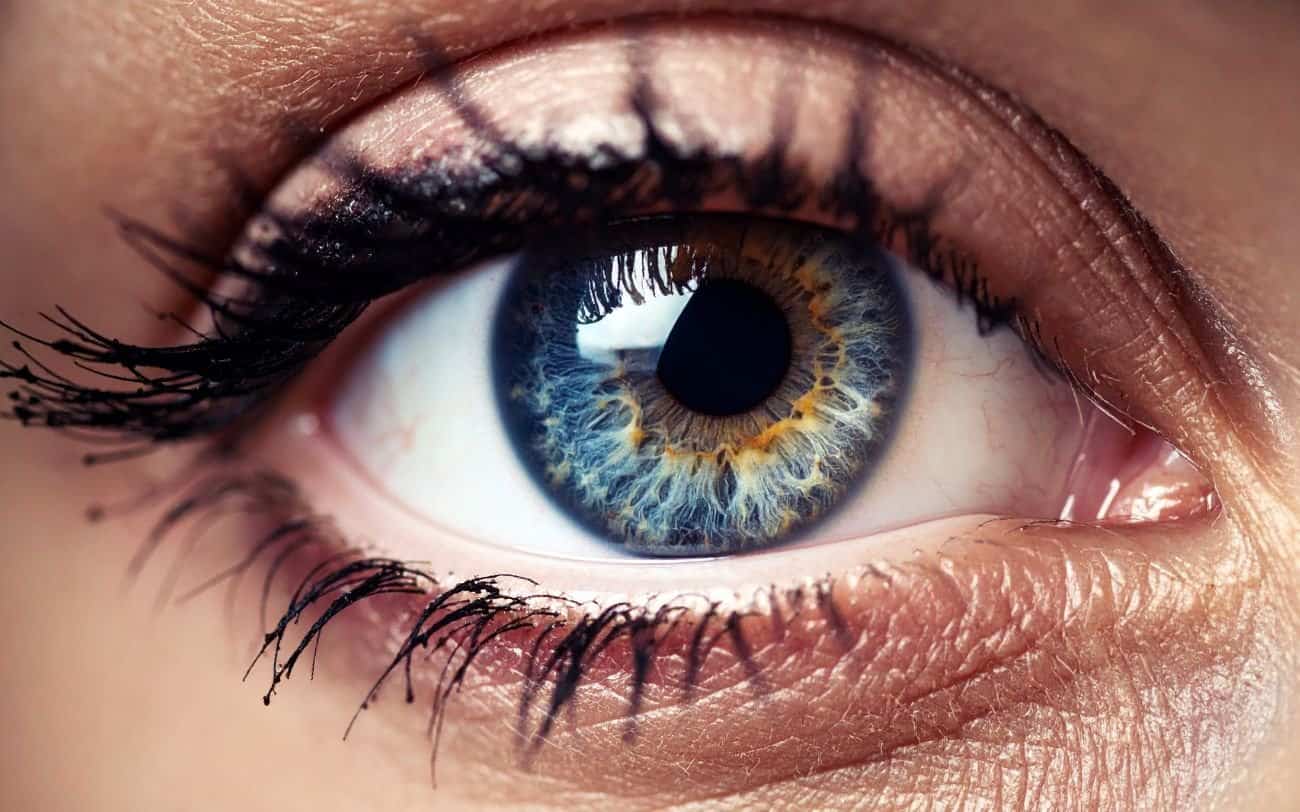
Understanding Blue Light & Eye Strain: What’s Really Affecting Your Vision Today
Most of us spend hours every day looking at screens, phones, laptops, tablets, TVs. It’s no surprise that more people are experiencing dry eyes, blurry vision, headaches, and general eye fatigue. But what’s actually causing it? And is blue light really as harmful as it sounds?
Let’s break down what eye strain really is, what blue light does in the body, and how you can protect your vision in a practical, science-supported way.
What Blue Light Really Is
Blue light is a type of high-energy visible (HEV) light emitted by the sun, digital screens, and LED lighting. It has shorter wavelengths and more energy compared to other visible light. While blue light from screens is significantly weaker than sunlight, the main issue is continuous, close-range exposure.
Blue light has two main effects:
1. It disrupts your sleep-wake cycle
Blue light controls melatonin release. Using screens late at night can delay your natural sleep rhythm, causing insomnia or poor quality sleep.
2. It contributes to digital eye strain
Blue light scatters more easily, making your eyes work harder to focus. This can lead to:
- Tired or heavy eyes
- Blurry vision
- Difficulty focusing
- Headaches
- Dryness or irritation
Blue light doesn’t kill your eye cells but it can contribute to fatigue and long-term oxidative stress if combined with poor eye habits.
What Actually Causes Digital Eye Strain
Eye strain is rarely caused by blue light alone. It’s usually a combination of:
1. Reduced blinking rate
We naturally blink less when focusing on screens, sometimes up to 60% less which dries out the eyes.
2. Close-focus fatigue
Maintaining a short viewing distance forces your eye muscles to stay contracted for long periods.
3. Poor screen ergonomics
Brightness that’s too high, glare, or low ambient lighting all increase visual stress.
4. Long continuous screen time
Hours of unbroken screen use cause the eyes to lose moisture and flexibility.
Simple Habits to Protect Your Eyes Daily
Here are practical steps, backed by behavioural optometry guidelines:
1. Follow the 20-20-20 rule
Every 20 minutes, look at something 20 feet away for 20 seconds.
2. Increase your blink rate
Consciously blink fully, especially during focused work.
3. Use proper lighting
Balance screen brightness with room lighting to reduce glare.
4. Maintain an arm’s length distance
Screens should be 50–70 cm away from your eyes.
5. Consider blue-light filtering lenses
Not mandatory, but helpful if you work long hours at night.
Blue light isn’t the enemy but modern lifestyle habits are. Eye strain is usually caused by long, uninterrupted screen use and insufficient visual breaks. By combining healthy screen habits with nutrients that naturally protect the retina, you can significantly reduce fatigue and support long-term eye comfort.
Reference
- Ma, L., & Lin, X.-M. (2010). Effects of lutein and zeaxanthin on aspects of eye health. Annual Review of Nutrition, 30, 237–259.
- Stringham, J. M., et al. (2016). Macular pigment and visual performance: A review of randomized trials. Nutrients, 8(12), 848.
- Mughal, R., et al. (2020). The impact of blue-light exposure on ocular health. Ophthalmic and Physiological Optics, 40(2), 254–266.
- Koushan, K., et al. (2013). Dietary antioxidants and the prevalence of age-related eye diseases. International Ophthalmology Clinics, 53(1), 1–13
Related posts
How Lutein, Zeaxanthin & Blue Light Protection Work Together to Support Healthy Eyes
Our eyes are exposed to more strain today than ever before with long screen hours, harsh indoor ligh
Leave a Comment