

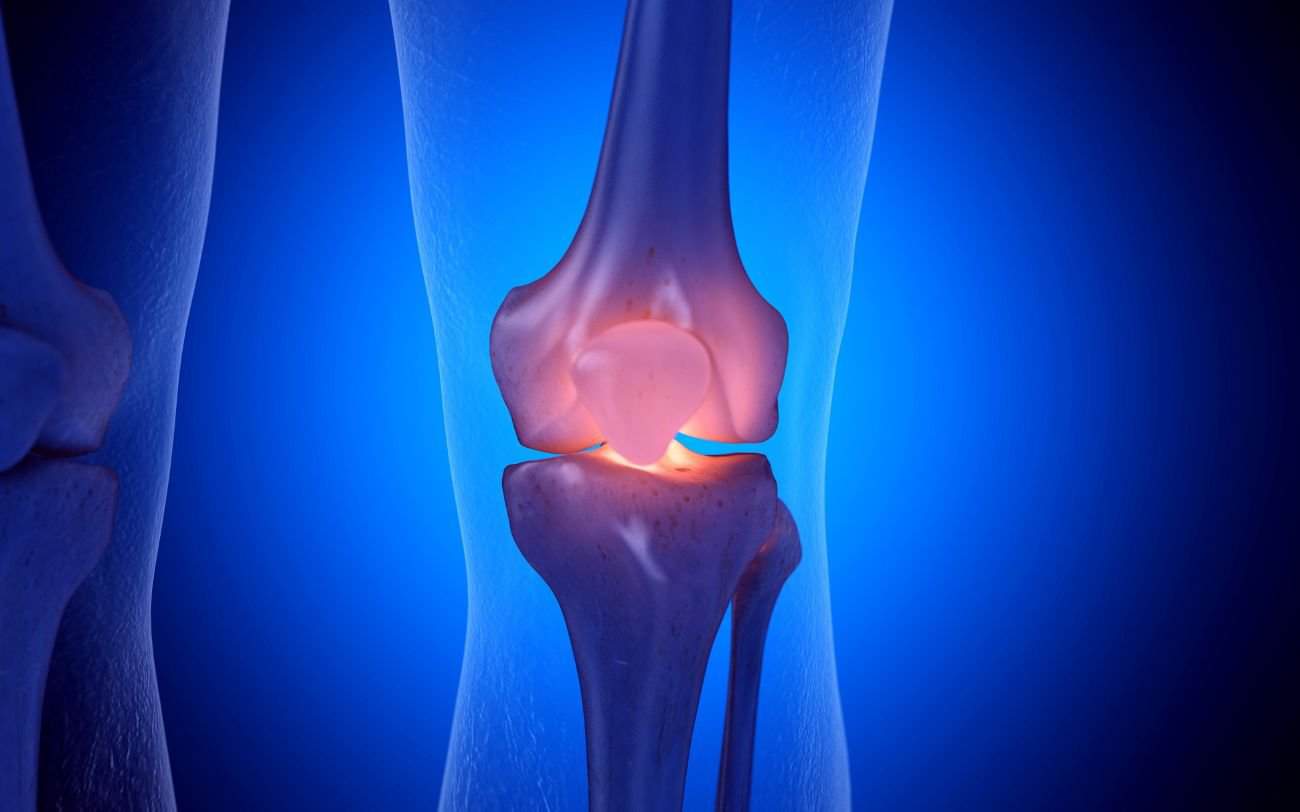
The Science of Cartilage Repair: What’s Possible & What Isn’t
Cartilage is one of the most remarkable yet most fragile tissues in the human body. It cushions your joints, absorbs shock, and allows smooth, pain-free movement. But once damaged, it doesn’t heal the way skin, muscle, or bone does.
So what can science realistically do for cartilage repair today? And what remains out of reach? Here’s a clear, honest breakdown.
Why Cartilage Is So Hard to Repair
Cartilage is different from most tissues because:
1. It has no blood supply
Without blood vessels, nutrients and oxygen reach cartilage very slowly. This limits the body’s natural ability to regenerate it.
2. It has very few active cells
Chondrocytes (cartilage cells) are sparse and slow-working. They maintain cartilage but don’t replace large areas of damage.
3. Damage worsens over time
Once cartilage becomes rough or thin, friction increases. This accelerates wear-and-tear and can lead to chronic joint pain or stiffness.
This is why early support, especially nutrients that protect cartilage and reduce inflammation is critical.
What Is Possible: Evidence-Based Support for Cartilage Health
1. Slowing cartilage breakdown
This is the biggest area where science shows consistent results. Certain ingredients such as collagen peptides, curcumin, and antioxidants can help reduce joint inflammation and protect cartilage from further wear.
2. Supporting collagen formation
Cartilage is made of Type II collagen, which declines with age. Ingredients like hydrolysed collagen, vitamin C, and phytonutrients can support natural collagen synthesis. While this does not rebuild deep cartilage damage, it helps maintain the surrounding joint environment.
3. Improving joint lubrication
Hyaluronic acid, healthy fats, and certain botanicals support synovial fluid which is your joint’s natural lubricant. Better lubrication reduces friction and helps slow wear.
4. Reducing inflammation around the joint
Inflammation accelerates cartilage loss.
What Isn’t Possible (For Now)
1. Fully regrow lost cartilage
No supplement, food, injection, or medication can regrow thick, healthy cartilage in adults. Claims of “rebuilding cartilage” are misleading.
2. Reverse severe osteoarthritis
Once cartilage thinning is advanced, science can manage symptoms and slow progression but cannot reverse the structural damage.
3. Replace the function of chondrocytes
Stem cells, PRP, and injections help with pain and inflammation but cannot restore cartilage to its original state.\
Looking Toward the Future
Research in these areas is promising but still experimental:
- Tissue engineering
- 3D-printed cartilage scaffolds
- Gene therapy aimed at stimulating chondrocytes
- Stem cell-derived cartilage patches
While complete cartilage regeneration isn’t possible today, a lot can be done to support joint comfort and slow long-term deterioration.
References
- Hunziker EB. Articular cartilage repair: basic science and clinical progress. Osteoarthritis Cartilage.
- Sophia Fox AJ, Bedi A, Rodeo SA. The basic science of articular cartilage. Sports Health.
- Makris EA, et al. Repair and tissue engineering techniques for cartilage. Nat Rev Rheumatol.
- Ahmad N, et al. Curcumin and joint inflammation. J Med Food.
- Bello AE, Oesser S. Collagen hydrolysate for joint support. Curr Med Res Opin.
- Henrotin Y, et al. Nutritional compounds and cartilage metabolism. Osteoarthritis Cartilage.
Related posts
Understanding Joint, Bone & Muscle Health: How They Work Together
Most people think of joint pain, weak bones, or muscle stiffness as separate problems. In reality, t
7 Everyday Habits That Quietly Damage Your Joints, Bones & Muscles
Most people only pay attention to joint, bone, and muscle health when discomfort starts to show such
Leave a Comment