
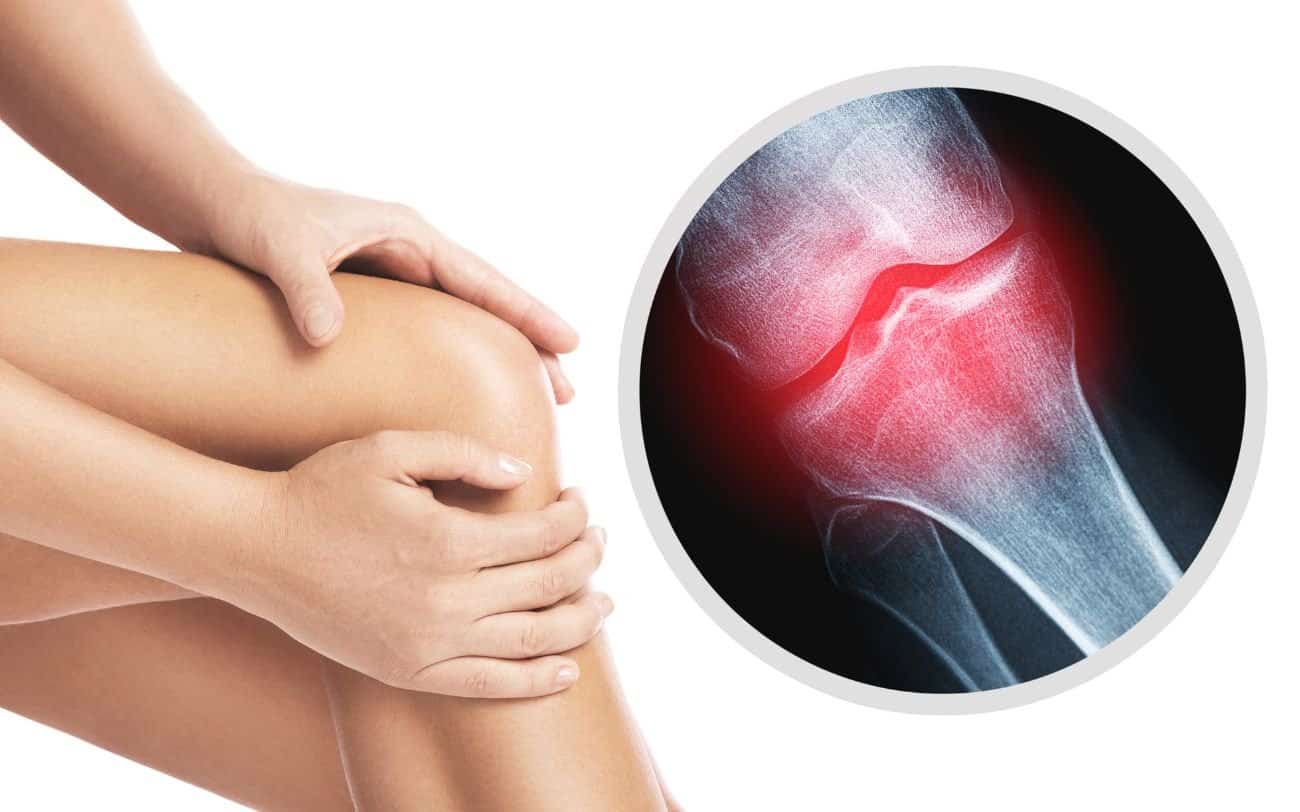
7 Everyday Habits That Quietly Damage Your Joints, Bones & Muscles
Most people only pay attention to joint, bone, and muscle health when discomfort starts to show such as stiff knees in the morning, tight shoulders after work, or a dull ache after simple activities. The truth is, these issues often build up slowly over time due to small daily habits we don’t even notice.
Here are seven common lifestyle habits that quietly strain your joints, bones, and muscles and simple ways to protect your body for the long run.
1. Sitting for Long Hours
Long periods of sitting weaken the muscles that support your spine, hips, and knees. Over time, this leads to stiffness, poorer circulation, and unnecessary pressure on the joints.
Protect yourself:
Stand, stretch, or walk for 2–3 minutes every hour.
2. Ignoring Minor Aches
Small aches can be early warning signs of inflammation or joint wear-and-tear. Many people brush it off until it becomes a bigger problem.
Protect yourself:
Pay attention to persistent, repeating discomfort especially in the knees, lower back, and shoulders.
3. Low Protein Intake
Muscles rely on daily protein to stay strong. Weak muscles mean your joints take on more workload than they should, accelerating cartilage stress.
Protect yourself:
Ensure enough protein from meals or supplements, especially as you age.
4. Sleeping in the Wrong Position
Poor sleep posture can strain your neck, shoulders, and back, tightening nearby muscles and pulling joints out of alignment.
Protect yourself:
Choose supportive pillows and avoid sleeping twisted or curled tightly.
5. High-Sugar or High-Inflammation Diets
Sugar and certain processed foods can increase inflammatory markers in the body, affecting joint comfort and recovery.
Protect yourself:
Focus on whole foods, good fats, antioxidants, and anti-inflammatory choices.
6. Skipping Strength Training
Many assume walking is enough, but without muscle-strengthening exercises, joints lose the support they need. Weak muscles = more pressure placed directly on the joints.
Protect yourself:
Include light to moderate strength training 2–3 times a week.
7. Not Supporting the Body as It Ages
As we grow older, collagen production drops, bone density slowly declines, and natural joint lubrication becomes less efficient. Supporting the body early can delay these changes significantly.
Where Activ40+ & Activ40 Maxx fit in
Our formulations in the Activ40+ range were made specifically to complement the needs of active adults, providing additional nutrients for joint comfort as the body transitions into the 40+ stage.
For individuals needing more intensive or targeted support, Activ40 Maxx offers a stronger and more comprehensive option, targeting joint, bone and muscle health.
Reference
- Henrotin Y et al. “Nutraceuticals: do they work for joint health?” Joint Bone Spine.
- Wandel S et al. “Effects of glucosamine and chondroitin on osteoarthritis.” BMJ.
- Bello AE, Oesser S. “Collagen hydrolysate for joint health.” Curr Med Res Opin.
- Heaney RP. “Calcium, vitamin D, and bone health.” J Am Coll Nutr.
- Daly RM et al. “Protein intake and muscle mass in adults.” Am J Clin Nutr.
- Biesalski HK. “Micronutrients and inflammation support.” Nutr Rev
Related posts
The Science of Cartilage Repair: What’s Possible & What Isn’t
Cartilage is one of the most remarkable yet most fragile tissues in the human body. It cushions your
Understanding Joint, Bone & Muscle Health: How They Work Together
Most people think of joint pain, weak bones, or muscle stiffness as separate problems. In reality, t
Leave a Comment